
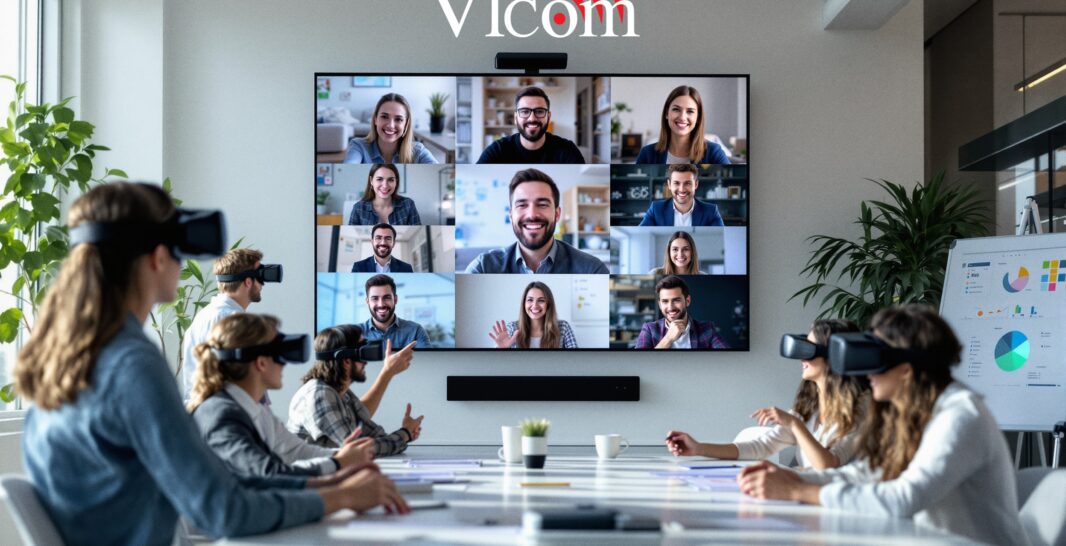
Remote work and hybrid models have become standard across industries. As we approach 2025, collaboration technologies are evolving rapidly, driven by advances in artificial intelligence (AI), virtual reality (VR), and improved user experiences. Organizations that understand and embrace these trends can foster stronger teamwork, boost productivity, and create more inclusive and agile work environments.
1. Emerging Trends in Remote Collaboration Technology
Advanced Video Conferencing
By 2025, video conferencing feels more natural and lifelike:
3D video conferencing: Systems like Google’s Project Starline offer near-holographic presence, making remote interactions more engaging. These technologies bridge the gap between in-person and virtual communication, enhancing clarity and emotional connection during discussions.
Spatial audio and eye contact correction: Participants experience sound as if seated in the same room, while AI enhances eye alignment and reduces visual distractions. These features create a more immersive and distraction-free meeting experience.
AI-powered meeting assistants: Automated agenda setting, transcription, action item generation, and follow-up reminders streamline meetings. These tools help teams stay organized and maximize the value of every discussion.
Immersive Collaboration Platforms
Virtual and augmented reality tools go mainstream:
Virtual meeting rooms and shared workspaces: Employees interact with 3D objects, whiteboards, and prototypes in virtual environments. This innovation enables dynamic brainstorming and creative problem-solving in real-time.
Design, training, and problem-solving: Remote teams collaborate on complex tasks as if physically co-located, accelerating product development and innovation. These immersive tools make it possible to work together on intricate designs or hands-on simulations.
AI-Enhanced Project Management
AI improves how teams organize and execute work:
Intelligent task prioritization: Machine learning identifies urgent tasks, reducing bottlenecks. Prioritization ensures that critical deadlines are met without unnecessary delays.
Automated resource allocation: AI forecasts timelines, suggests staffing levels, and predicts delays. These capabilities enhance efficiency by ensuring optimal resource distribution.
Real-time progress tracking: Interactive dashboards display project status, helping teams adapt quickly. Visibility into progress fosters accountability and agility.
Cross-Functional Document Collaboration
Documents become living assets updated in real-time:
AI-powered editing and summarization: Tools distill lengthy documents into essential points, making it easier to stay on track. Summarization reduces information overload and highlights key takeaways.
Integrated file sharing and co-authoring: Multiple people edit simultaneously, with changes synced instantly. This seamless collaboration eliminates version control issues and enhances teamwork.
2. The Transformative Role of AI in Remote Collaboration
AI-Powered Virtual Assistants
AI assistants handle routine tasks:
Scheduling and coordination: Automatic calendar management aligns availability and sets up calls. This automation saves time and reduces scheduling conflicts.
User preference learning: Assistants learn communication styles and preferences, improving efficiency over time. Personalized interactions enhance user satisfaction.
Voice-activated help: Hands-free operation allows users to request documents, update tasks, or join meetings effortlessly. Voice commands improve accessibility and ease of use.
Enhanced Communication
Global teams overcome language barriers and emotional disconnects:
Real-time translation: Multilingual teams communicate seamlessly, expanding talent pools and international opportunities. Language no longer limits collaboration.
Sentiment analysis: AI gauges team morale, detecting when tensions rise or motivation wanes. Insights help leaders address issues before they escalate.
AI-driven writing assistance: From emails to reports, clarity and precision improve across all communication channels. Enhanced communication ensures that ideas are conveyed effectively.
Productivity Boosters
AI streamlines repetitive tasks:
Task automation: Routine activities—like sending reminders or formatting documents—are handled by AI. Automation frees up time for higher-value work.
Quick data retrieval: Instantly surface relevant documents, chat transcripts, or project notes without manual searches. Fast access to information improves decision-making.
Data-driven insights: AI analyzes patterns to suggest best practices, helping teams continuously refine workflows. Data-backed recommendations enhance overall efficiency.
Personalized Employee Experiences
Work environments adapt to individual needs:
Customized work patterns: Tools suggest optimal meeting times based on personal productivity peaks. Tailored schedules support employee performance and well-being.
Tailored learning opportunities: AI recommends training modules, tutorials, or mentorship connections. Personalized learning ensures professional growth.
Adaptive interfaces: User interfaces morph to highlight relevant functions for each team member’s role. Simplified navigation boosts productivity and satisfaction.
3. Addressing Challenges of Remote Work
Maintaining Team Cohesion
Fostering strong connections despite distance:
Virtual team-building activities: Gamified experiences, online retreats, and shared learning sessions maintain a sense of camaraderie. These activities strengthen relationships and build trust.
Communication analysis tools: AI identifies under-engaged team members, prompting leaders to intervene. Proactive engagement keeps teams aligned and motivated.
Combating Technology Fatigue
Reducing digital overwhelm:
AI-assisted breaks: Reminders to take breaks and log off at reasonable hours support work-life balance. Encouraging healthy habits prevents burnout.
Consolidated platforms: Unified toolsets reduce the need to switch between multiple apps. Streamlined workflows simplify daily tasks and improve focus.
Ensuring Cybersecurity
Protecting distributed teams from threats:
AI-enhanced threat detection: Real-time monitoring identifies suspicious behavior. Advanced security measures safeguard sensitive data.
Automated compliance checks: Systems verify adherence to regulations and security protocols. Compliance automation reduces risks and administrative burden.
Supporting Mental Well-Being
Promoting wellness in remote settings:
AI-driven well-being checks: Early detection of stress or burnout allows for timely support. Insights help managers provide necessary interventions.
Virtual wellness programs: Guided meditation, fitness breaks, and mental health resources integrated into collaboration hubs. These programs foster a holistic approach to employee health.
As we move into 2025, the future of remote collaboration holds exciting possibilities. Advances in AI, VR, and user-centric technologies promise to make virtual work more immersive, efficient, and inclusive. By staying ahead of these trends, organizations can create work environments that empower teams, foster innovation, and maintain well-being.