
PROJECT SUMMARY

Professor of Art History
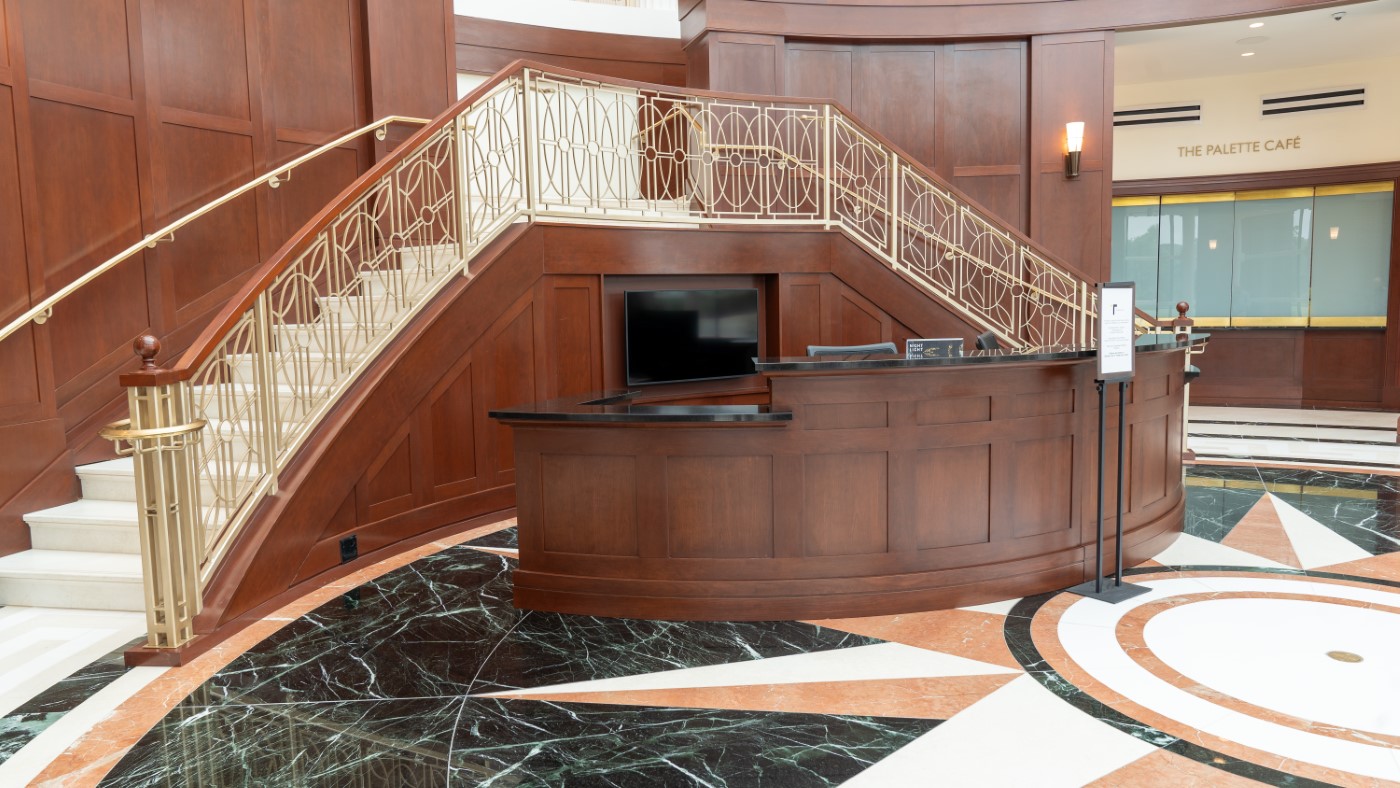
Situated in the historic city of Newport News, Virginia, Christopher Newport University (CNU) has long been a pillar of higher education and is well-known for its dedication to the arts.
The university’s Fine Art and Art History Department has continually sought to provide students with immersive, dynamic learning environments, fostering a deep appreciation for the arts and cultivating the next generation of artists and art historians.
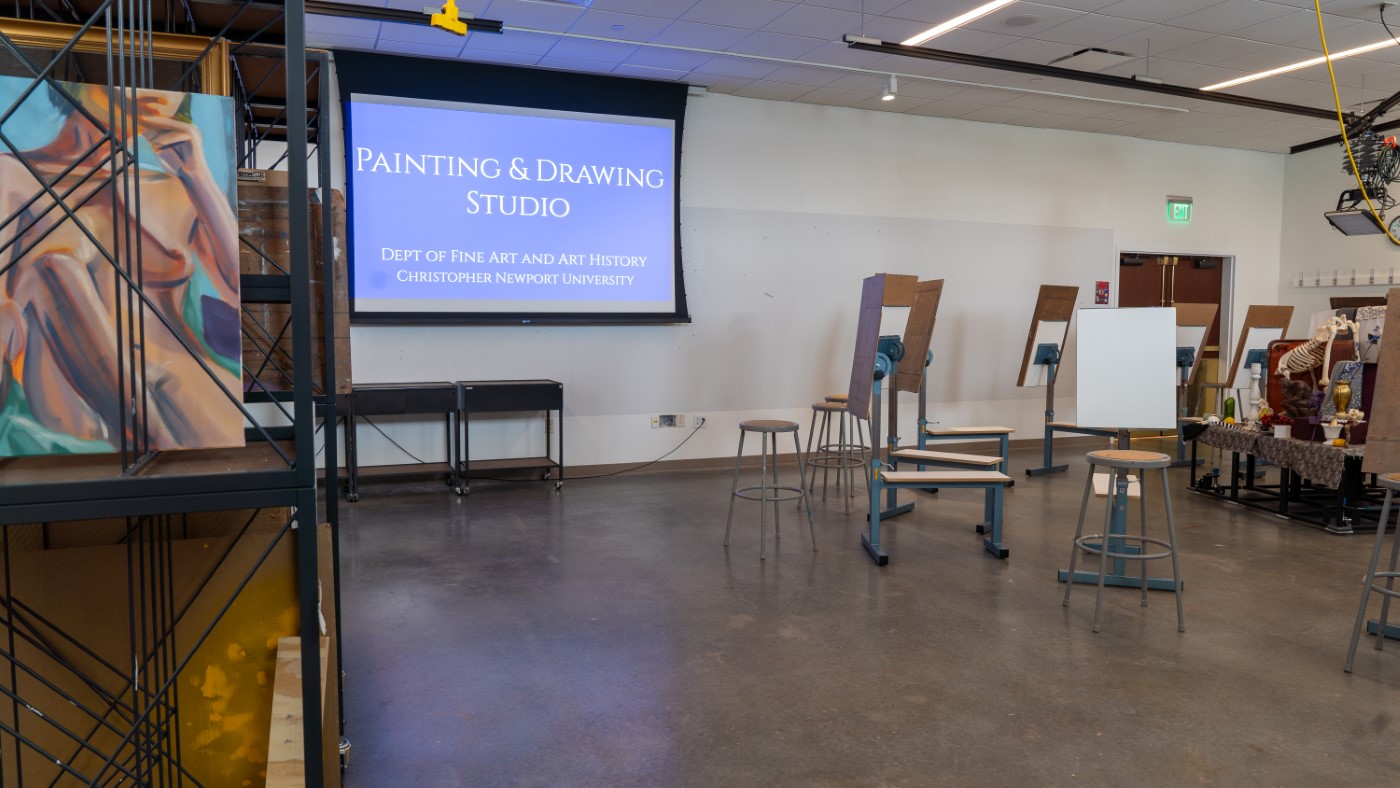
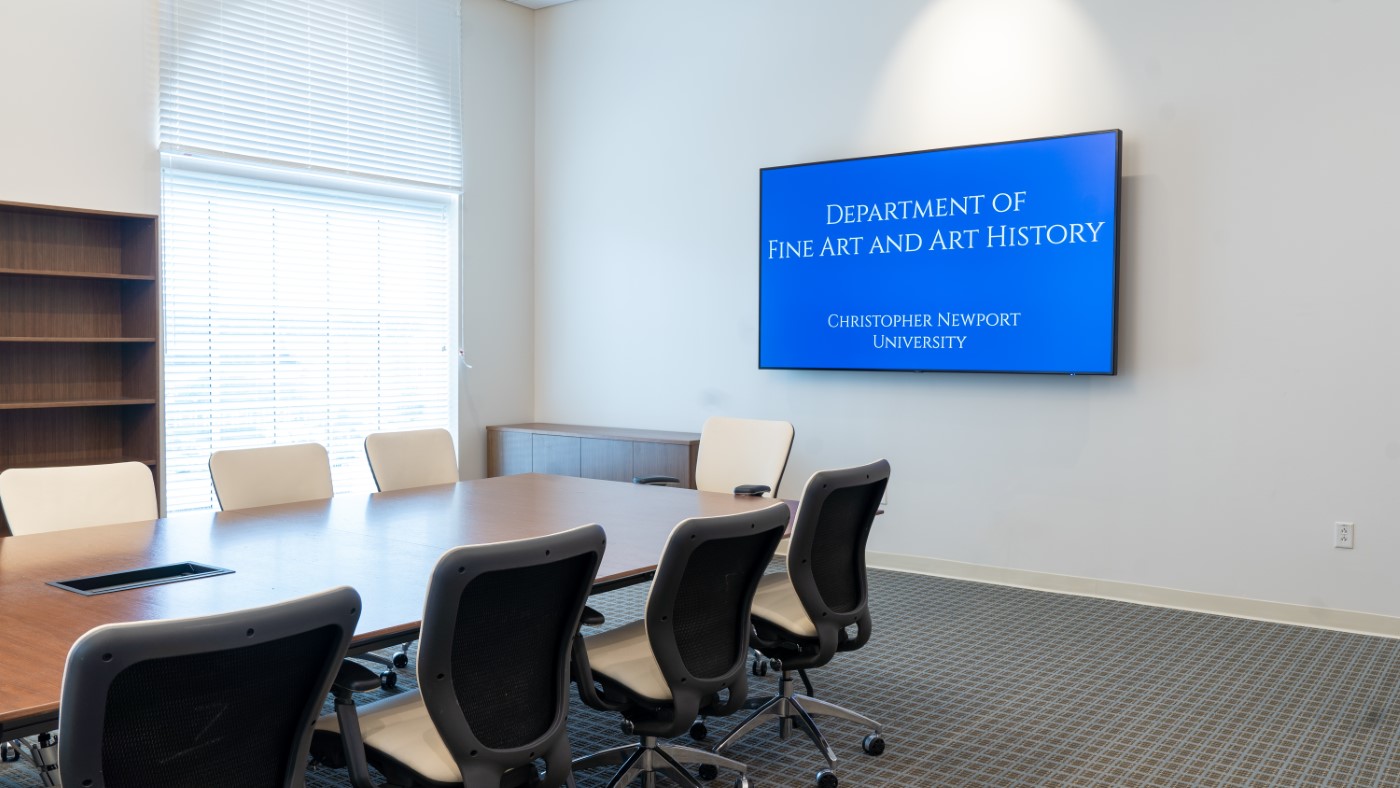
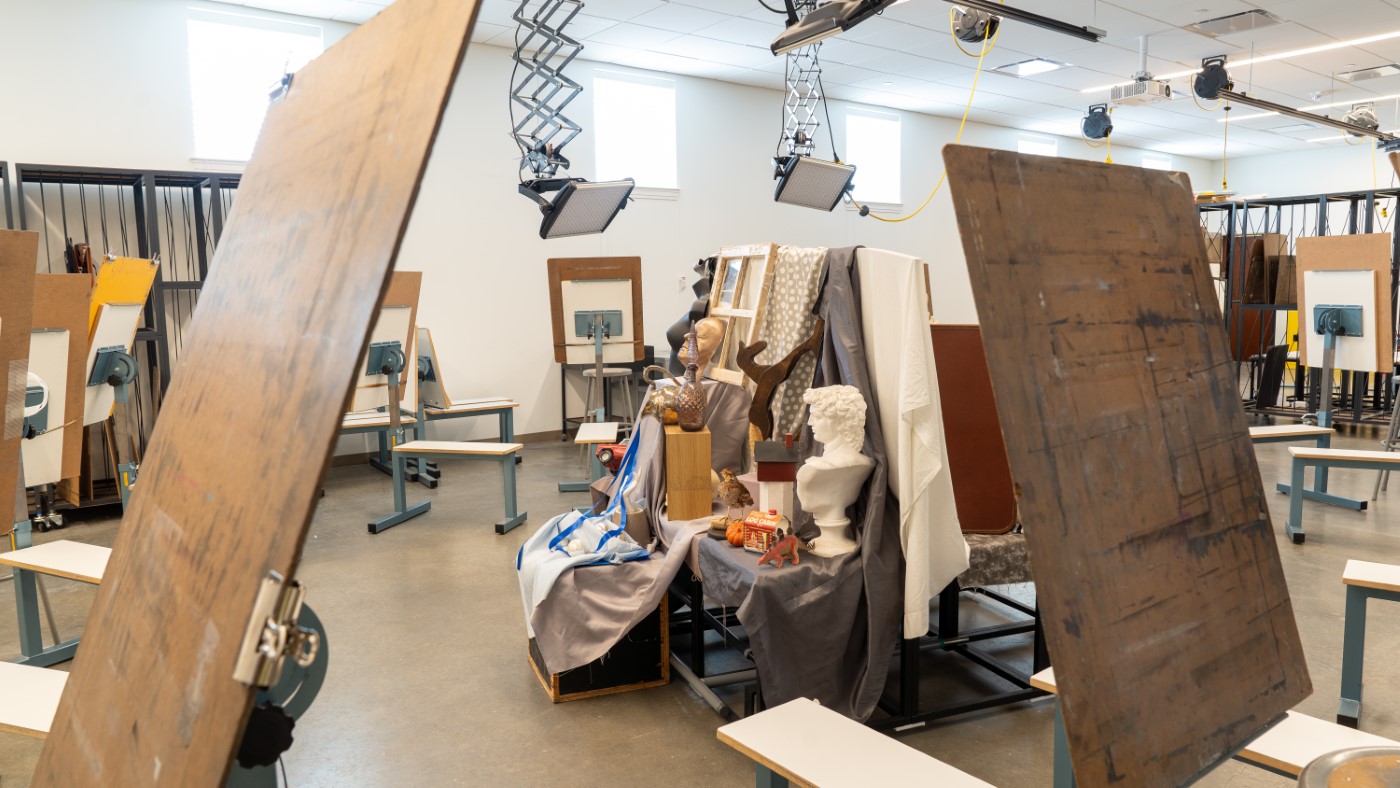
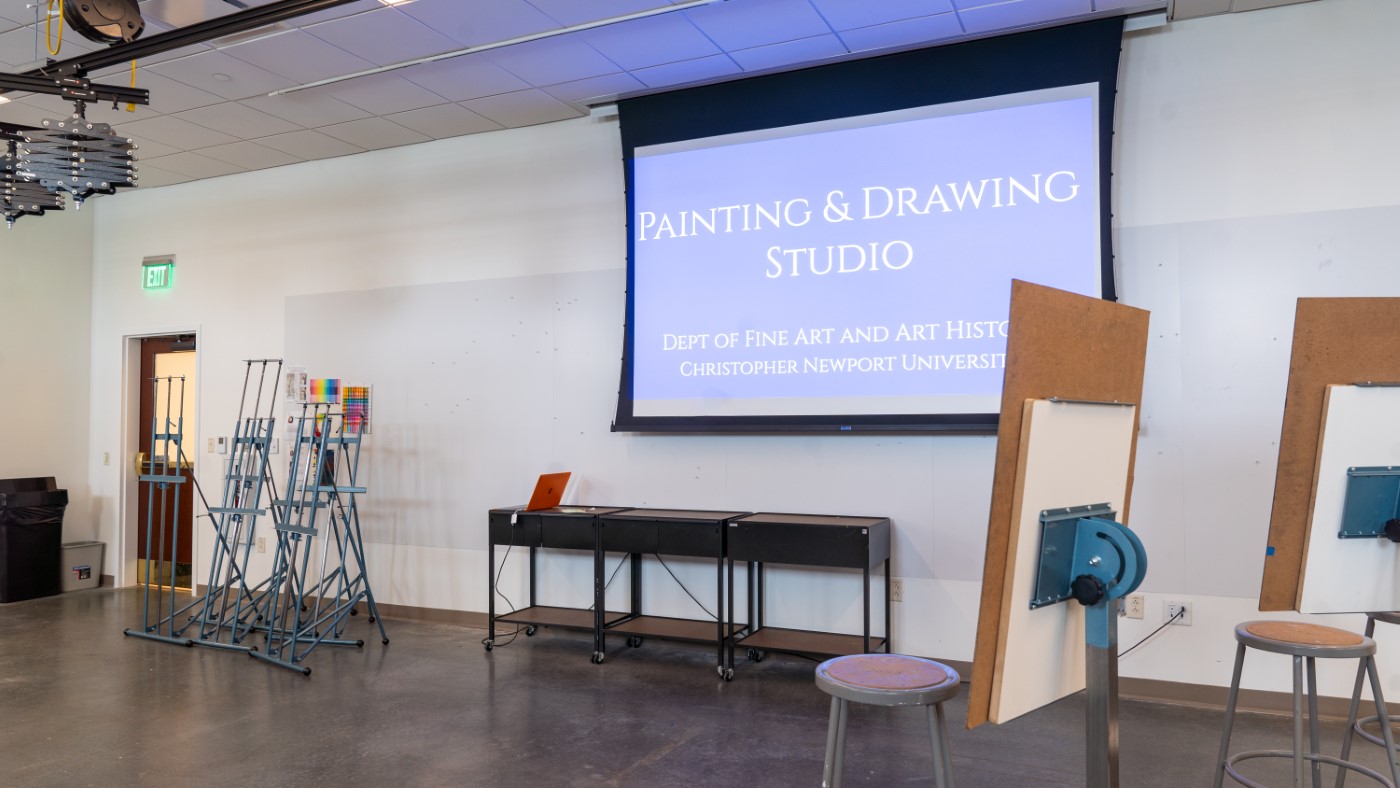
In keeping with this commitment, the university’s Torggler Fine Arts Center underwent a significant transformation. The goal was to enhance its operations and fundamentally alter the way staff and students engage with art education. This ambitious endeavor was brought to fruition through a strategic partnership with VIcom, a leading technology solutions provider.
CNU’s Fine Art and Art History Department’s Torggler Fine Arts Center
CNU’s Fine Art and Art History Department’s Torggler Fine Arts Center saw a significant transformation that improved its operations and changed how staff and students experience art education. This change was facilitated through a strategic partnership with VIcom, a leading technology solutions provider.
Dr. Michelle Erhardt, a respected art historian and current Associate Dean of the College of Arts and Humanities at CNU, was instrumental in this transformation. She led a team that embraced advanced technology to integrate modern aesthetic practices with traditional art instruction. Despite the task’s complexity, their partnership with VIcom made it achievable.
The Torggler Project began in late 2019. However, the global pandemic disrupted supply chains and vendor relations, adding challenges to the project. Some vendors ceased operations, putting the project in jeopardy. The turning point was when CNU partnered with VIcom, a company that effectively turned these challenges into opportunities.
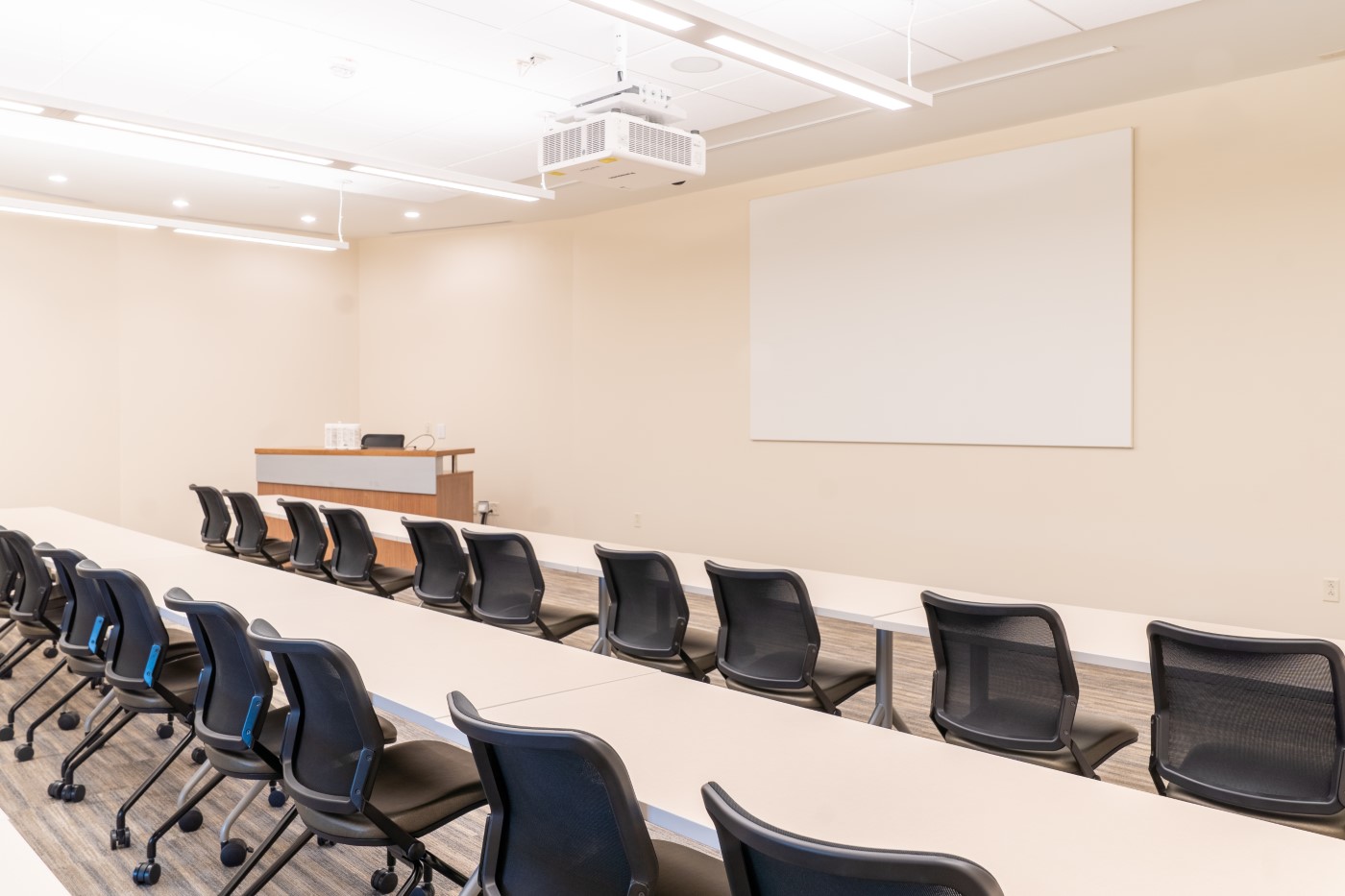
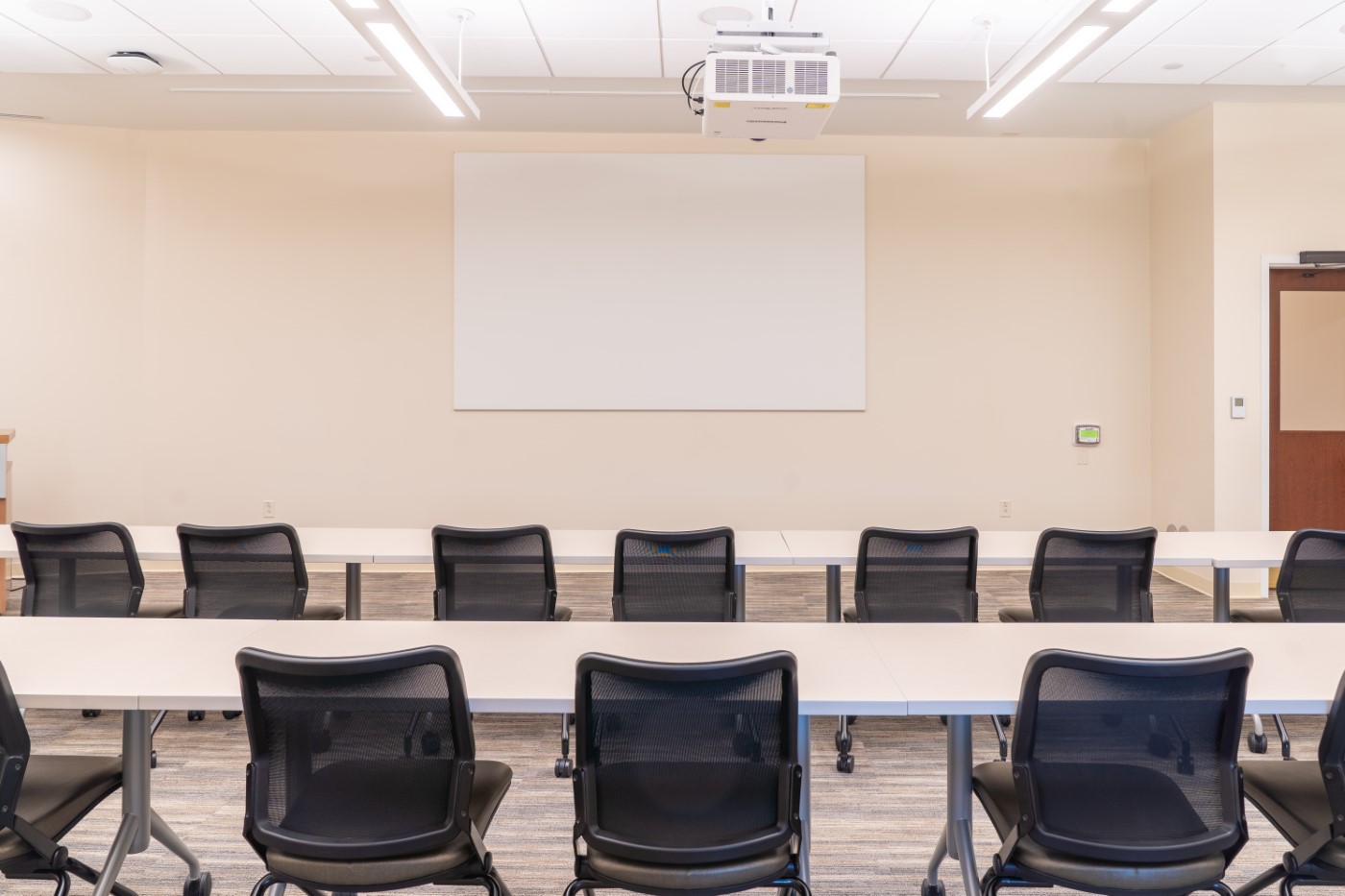
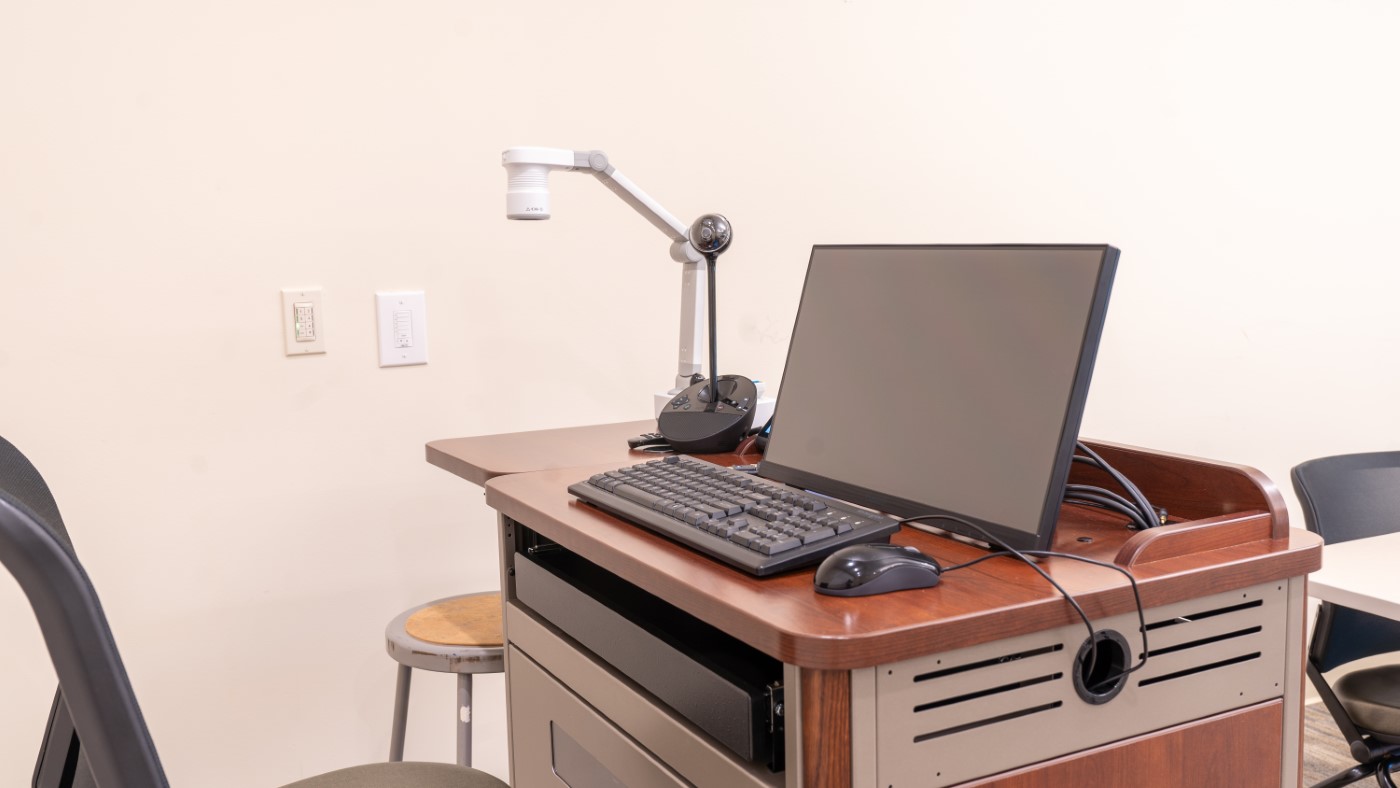
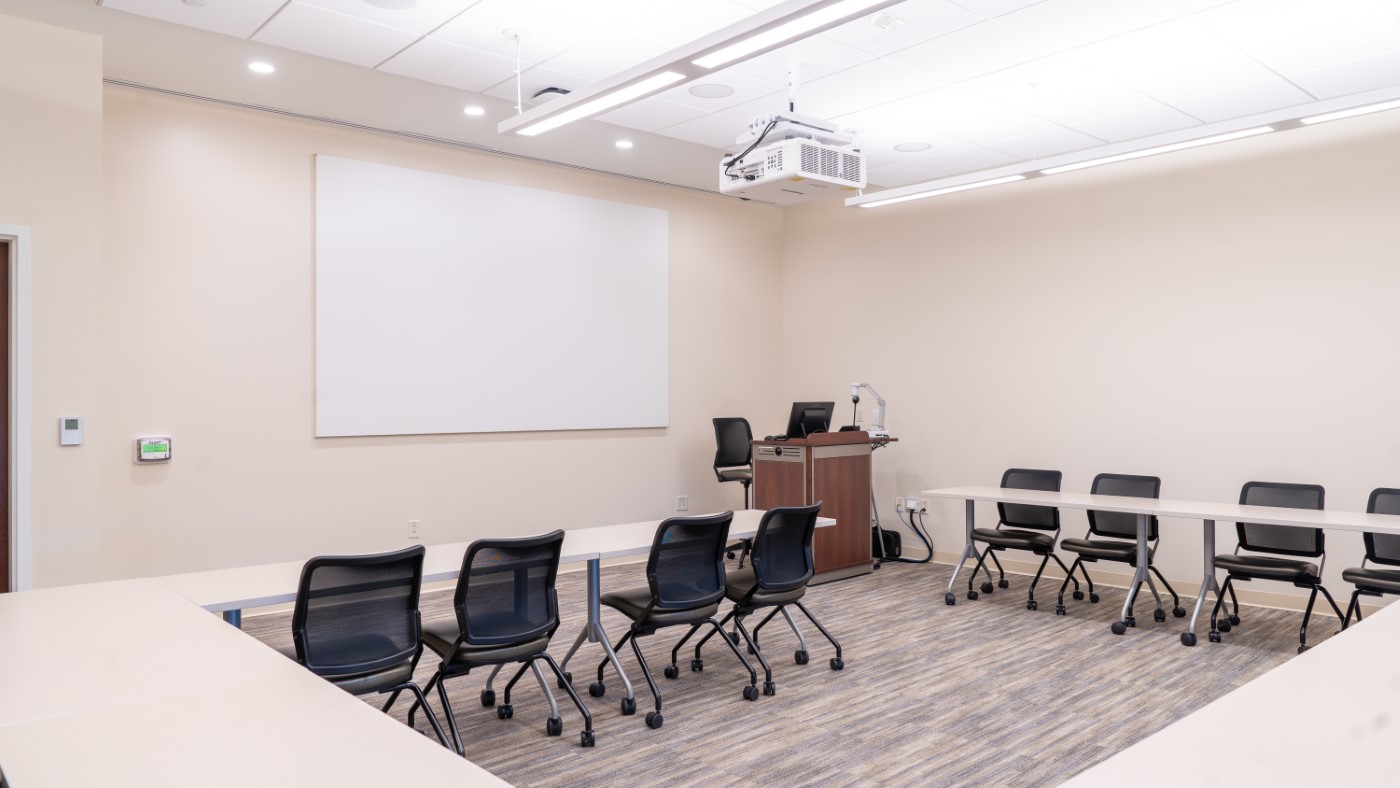
“Our primary goal was to ensure every classroom, regardless of whether it was a studio art or art history class, had state-of-the-art audiovisual technology,” says Erhardt. VIcom not only met this goal but exceeded expectations.
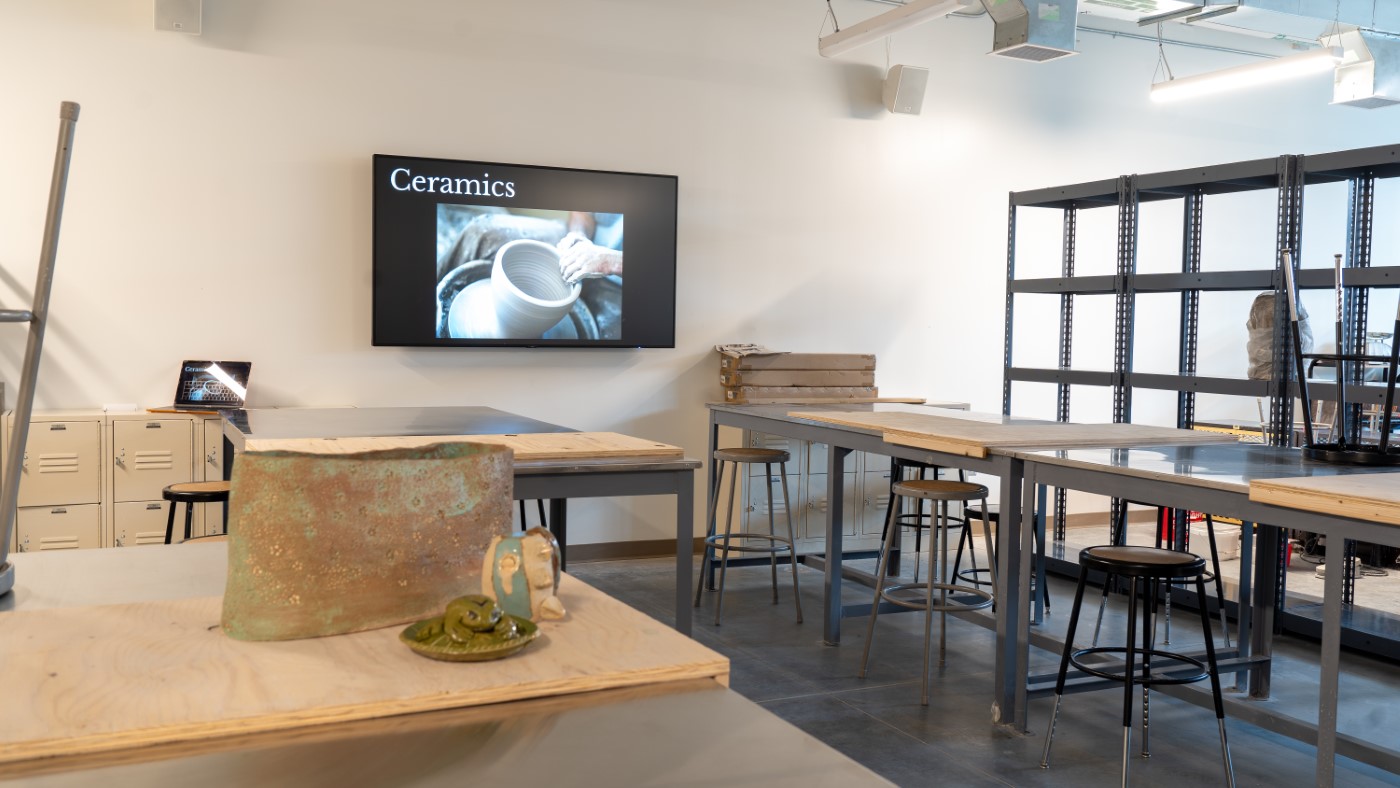
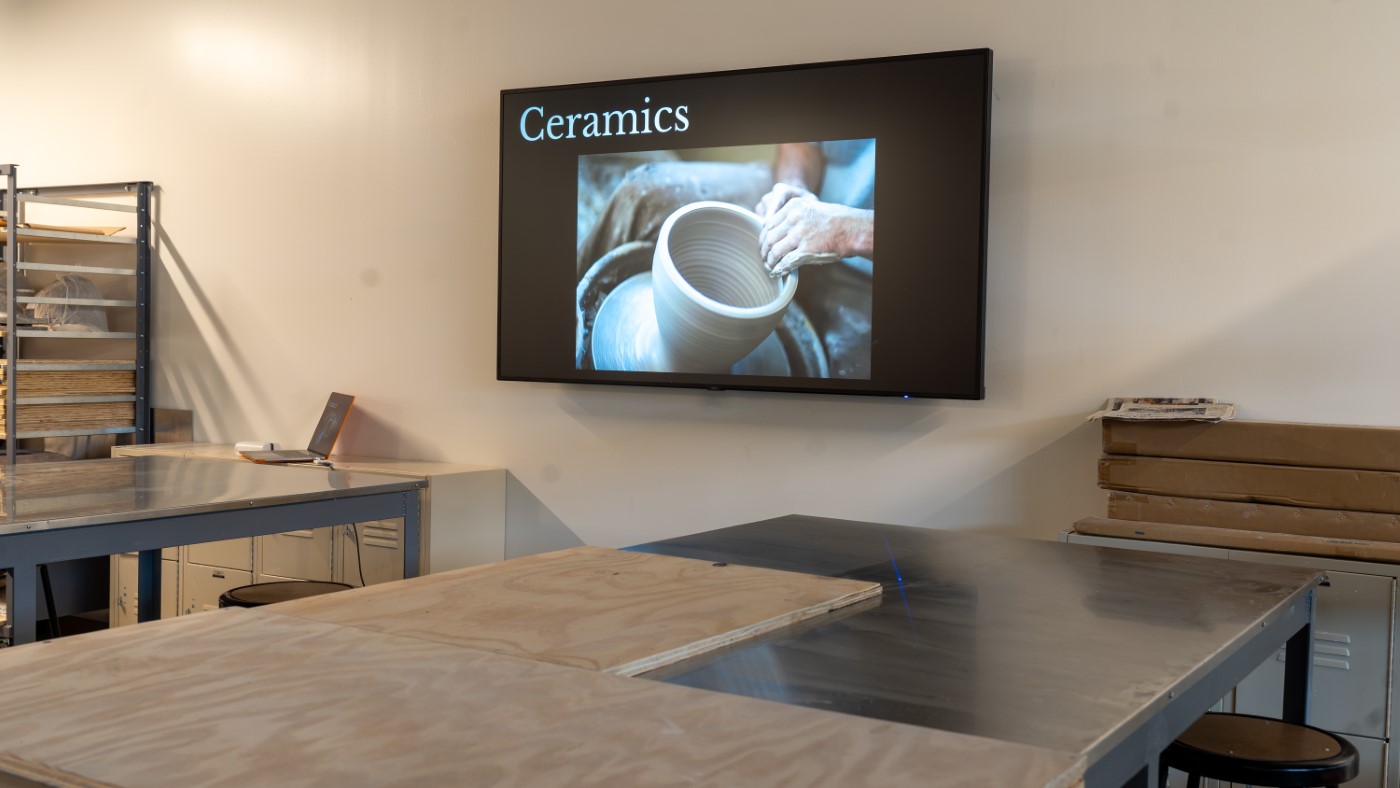
A key solution involved the 3D spaces, including ceramics and sculpture areas. Dust and clay materials typically disrupted traditional audio-visual equipment. In response, Vicom implemented digital display screens that could withstand these conditions, enabling audiovisual content to be integrated into the instruction process.
The transition from dealing with technological limitations to incorporating technology in every aspect of learning was challenging. The VIcom team simplified this process through continuous support – attending routine meetings, resolving supply chain issues, and providing extra support to CNU.
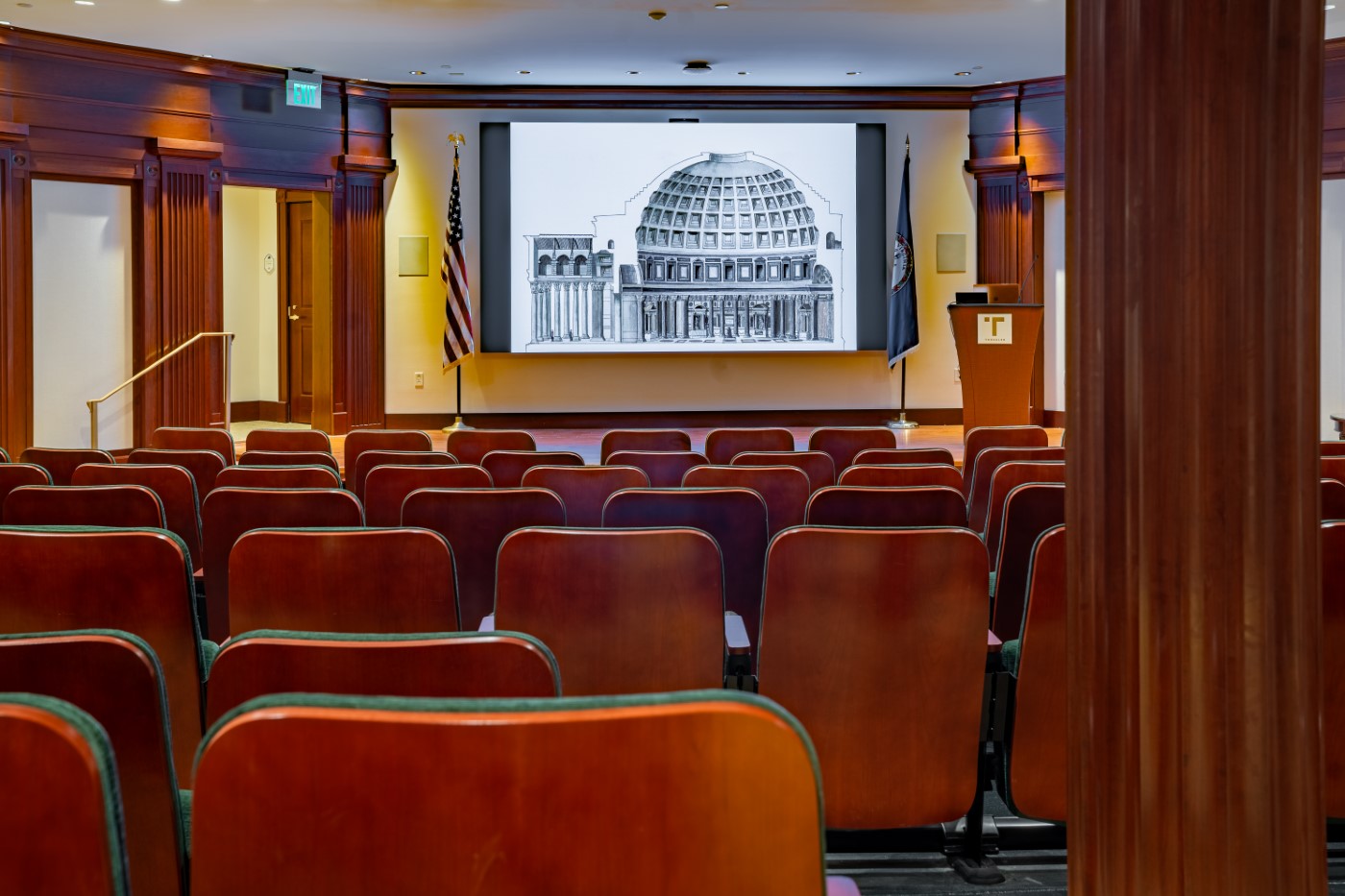
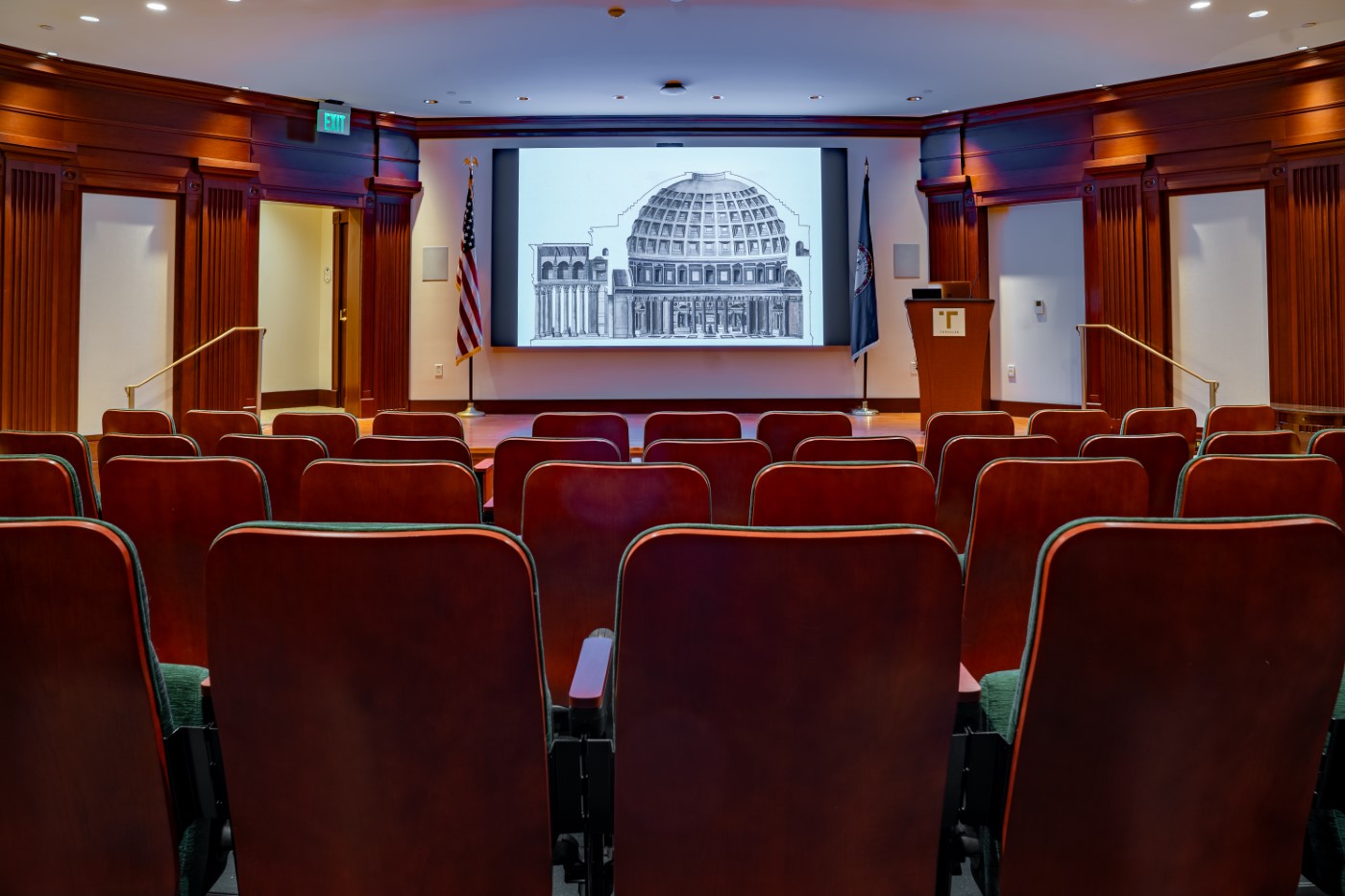
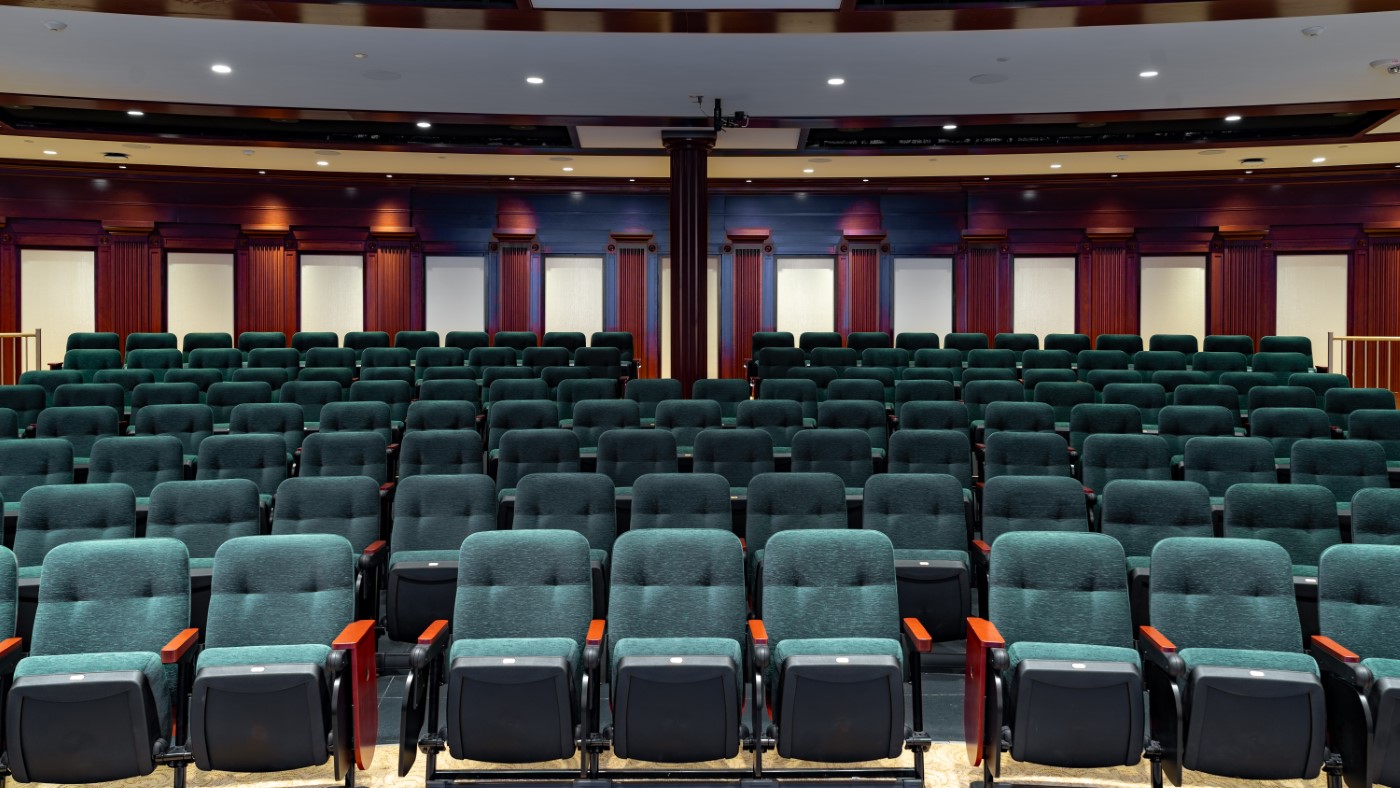
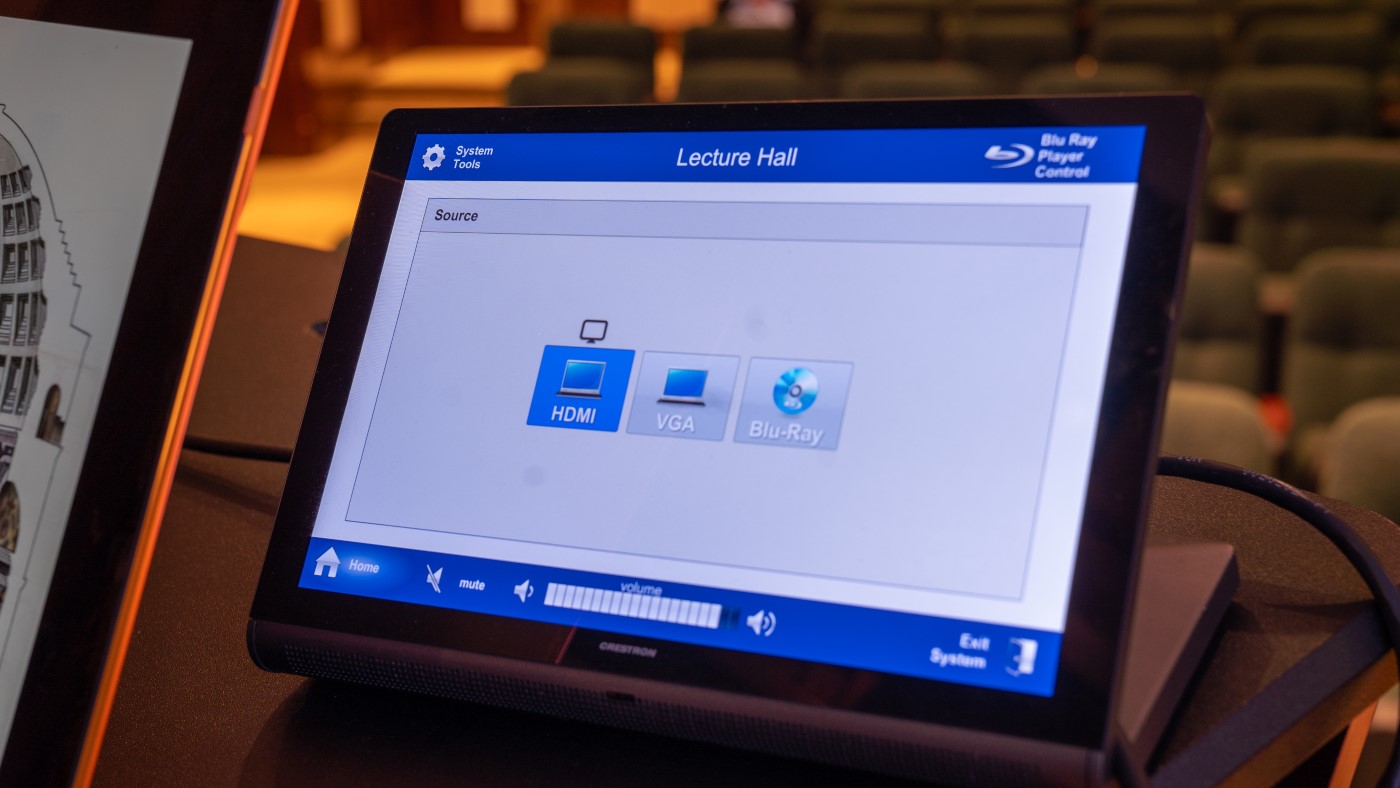
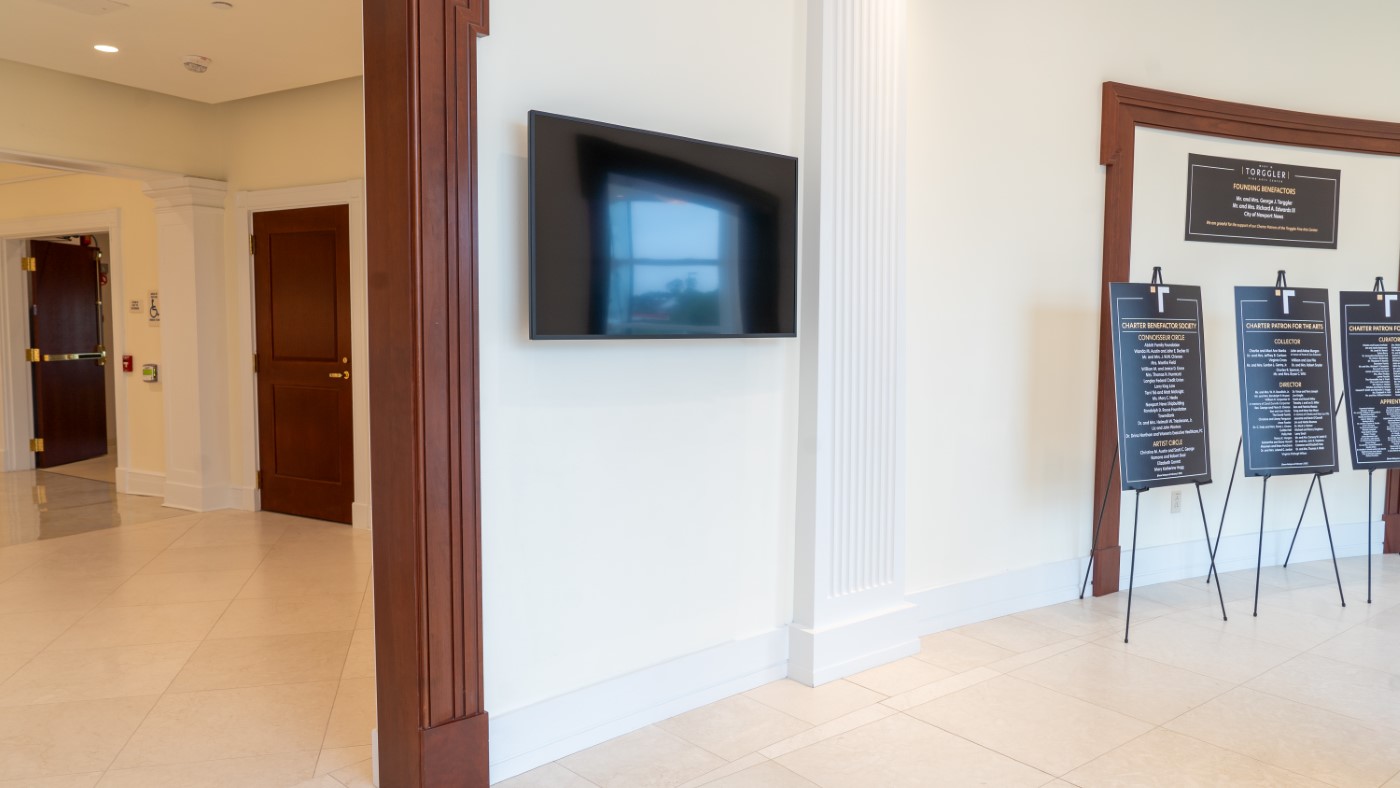
“They saved the day,” Erhardt said, highlighting the relief VIcom brought to the project. From aiding with installations for the opening exhibition, Night Light, to setting up a video display wall in the lecture hall, Vicom delivered exceptional service, effectively transforming art and academia through technology.
Vicom’s effective communication, teamwork, and focus played a pivotal role in the success of this project. The ongoing dialogue and collaboration between CNU and Vicom led to an improved experience for instructors and students.
“What they experience in the Torggler Center is state-of-the-art technology merged with excellent art instruction,” stated Erhardt.
The journey of the Torggler Project was full of unpredictability and challenges, but it resulted in a learning environment where tradition met innovation. VIcom’s team provided valuable solutions and their contributions were crucial. The Torggler Center stands as an example of how technology can enhance education, a testament to its grand reputation. Vicom not only ‘saved the day’ but also opened new possibilities in art education, taking the Fine Arts Center at CNU into the future.
CNU and VIcom made the improbable a reality, setting a positive example for other institutions to follow.
GALLERY
VIDEO
VIcom partners with leading communication technology companies for leading edge solutions.






PRIMARY MANUFACTURERS USED
Crestron
Controls and MS Teams systems)
Biamp
(Teams certified audio systems)
Poly
(Auto-tracking MS Teams USB cameras)
Evoko
(Room scheduling panels outside of every meeting room, 200+)
Agilquest
(Cloud workspace scheduling)
Planar
(A 6×3, a 3×3, and a 4×2 video wall in the NOC)
GET IN TOUCH